Smart Investor’s Guide to Whisky Funds and Rare Cask Opportunities
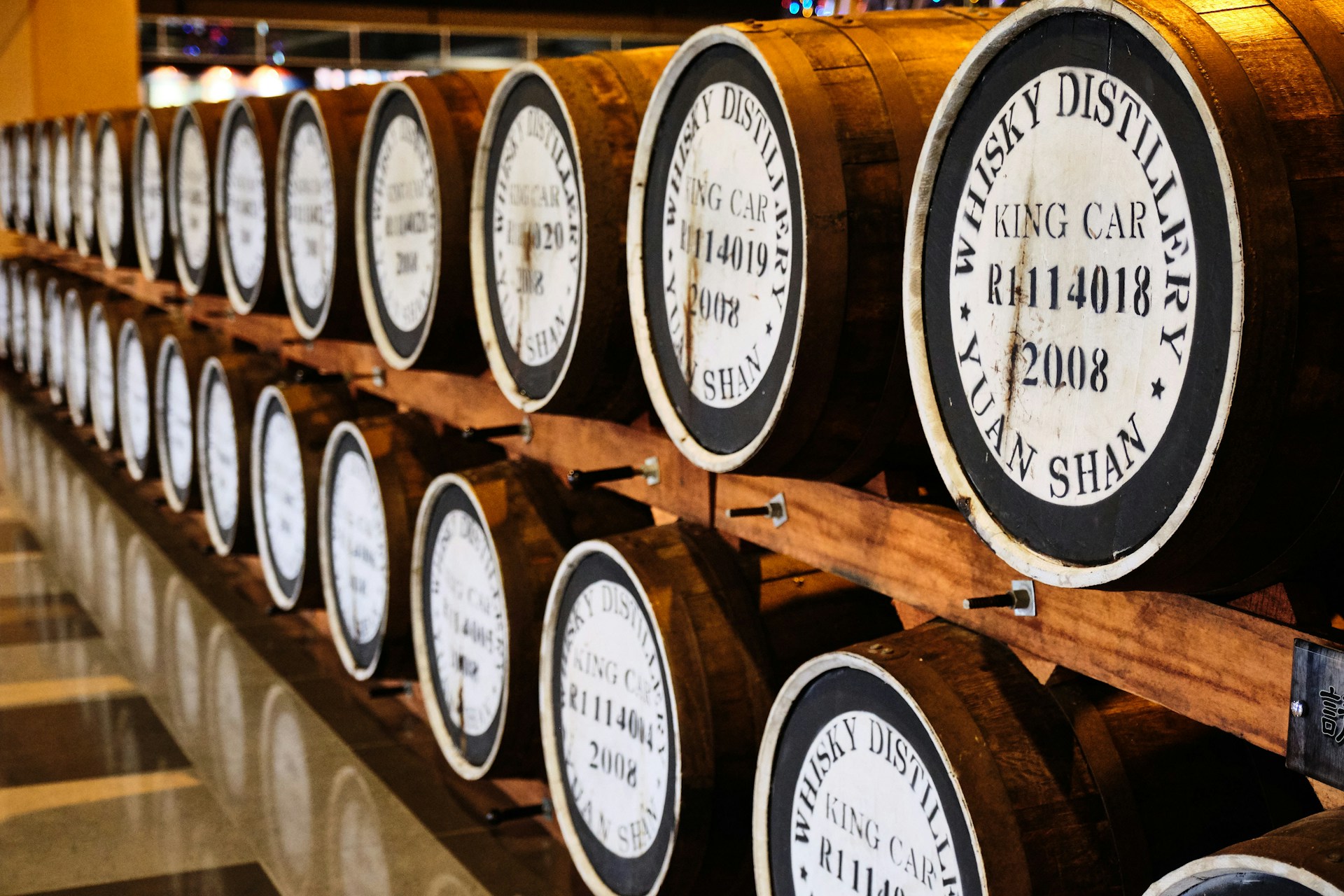
Investing in alternative assets has gained strong attention in recent years, and whisky has quietly become one of the most intriguing options. Many investors are now exploring whisky cask investment insights to diversify their portfolios while tapping into the growing global demand. However, before you commit your money, you need to understand how whisky funds work, what drives returns, and what risks you may face along the way.
Understanding What Whisky Funds Actually Are
Whisky funds pool money from multiple investors to purchase and manage whisky casks or bottles. These funds typically focus on rare or aging whisky, which increases in value over time due to scarcity and maturation. Unlike buying a single bottle yourself, a fund allows you to spread your risk across multiple assets.
Moreover, professional managers handle storage, insurance, and resale, which simplifies the process. However, this convenience often comes with management fees. Therefore, you should always review how the fund operates and how it generates returns before investing.
Why Whisky Has Become a Popular Investment
Over the past decade, whisky has shown consistent price growth, especially in premium Scotch and rare releases. As global demand rises, particularly in Asia and emerging markets, supply struggles to keep up. This imbalance often pushes prices higher.
In addition, whisky benefits from a unique aging process. Unlike many assets, whisky can improve in quality and value while it sits in a cask. As a result, long-term investors often see steady appreciation. Still, you should remember that past performance does not guarantee future returns.
How Returns Are Generated in Whisky Funds
Whisky funds primarily earn profits through the appreciation of casks or bottles. As whisky ages, it becomes rarer and, therefore, more valuable. Fund managers then sell these assets at a higher price after several years.
However, returns also depend on timing and market demand. For example, a surge in interest for a specific distillery can quickly increase value. On the other hand, market slowdowns may delay profits. Therefore, patience is key to this type of investment.
The Role of Storage and Maturation
Proper storage is essential for whisky investments. Casks must remain in regulated warehouses where temperature and humidity are controlled. Without proper care, the whisky could lose quality, which directly affects its value.
Additionally, maturation influences flavor and rarity. Over time, some whisky evaporates, known as the angel’s share, which reduces supply. While this process enhances value, it also introduces risk. Therefore, understanding storage conditions is critical before investing in any fund.
Fees and Costs You Should Expect
Every whisky fund charges fees, and these can impact your overall returns. Management fees, storage costs, and performance fees often apply. While these charges may seem small, they add up over time.
Therefore, you should always ask for a full cost breakdown. Transparent funds clearly explain how fees work and how they affect your investment. If a fund lacks clarity, you should proceed with caution.
Risks That Investors Often Overlook
Although whisky investing sounds attractive, it carries several risks. First, liquidity can be limited. Unlike stocks, you cannot sell whisky assets quickly. As a result, your money may remain tied up for years.
Second, market demand can shift. While whisky remains popular today, trends can change. Additionally, counterfeit products and fraud present real concerns. Therefore, you must work with reputable funds and verify asset ownership carefully.
Importance of Provenance and Authenticity
The origin of whisky plays a major role in its value. Investors often seek casks from well-known distilleries with strong reputations. However, verifying authenticity is just as important as choosing the right brand.
In the middle of your research, you will likely encounter rare whisky asset diversification strategies. These approaches emphasize spreading investments across different distilleries and age ranges. By doing so, investors reduce risk while increasing the chance of strong returns.
Time Horizon and Investment Patience
Whisky investments require a long-term mindset. Most funds operate on timelines of 5 to 10 years. During this period, the whisky matures and gains value.
Therefore, you should invest only the money you do not need immediately. Short-term investors may feel frustrated due to limited liquidity. On the other hand, patient investors often benefit from gradual and steady appreciation.
Legal and Tax Considerations
Before investing, you should understand the legal framework surrounding whisky funds. Regulations vary depending on your location and the fund’s structure. Some funds operate under strict financial oversight, while others may not.
In addition, tax treatment differs based on how profits are classified. In some cases, gains may be treated as capital gains, while in others they may be treated differently. Therefore, consulting a financial advisor or tax professional can help you avoid unexpected issues.
Choosing the Right Whisky Fund
Not all whisky funds are equal, so careful selection is essential. Start by researching the fund’s track record and management team. Experienced managers with industry connections often secure better casks and deals.
Furthermore, transparency matters. A good fund provides regular updates, clear reporting, and verified asset ownership. If a fund lacks these qualities, it may not be worth the risk.
Comparing Whisky Funds to Other Alternatives
Whisky funds belong to the broader category of alternative investments. Compared to assets like gold or real estate, whisky offers unique benefits and challenges. For instance, it does not generate regular income, but it may deliver strong capital growth.
Additionally, whisky often shows low correlation with traditional markets. This means it can help balance a diversified portfolio. However, you should still combine it with other assets rather than rely on it entirely.
Final Thoughts on Investing in Whisky Funds
Whisky funds offer an exciting opportunity for investors seeking something beyond traditional assets. However, success depends on research, patience, and careful decision-making. By understanding how these funds operate, you can approach this market with confidence and realistic expectations.
As you move forward, consider how alternative whisky investment strategies fit into your overall financial plan. With the right approach, whisky can become a valuable addition to a well-balanced portfolio.
Additional Information
- Uncategorized
- Philip Neuman New York