Unlocking the Wealth in Whisky Casks: A Guide for Investors
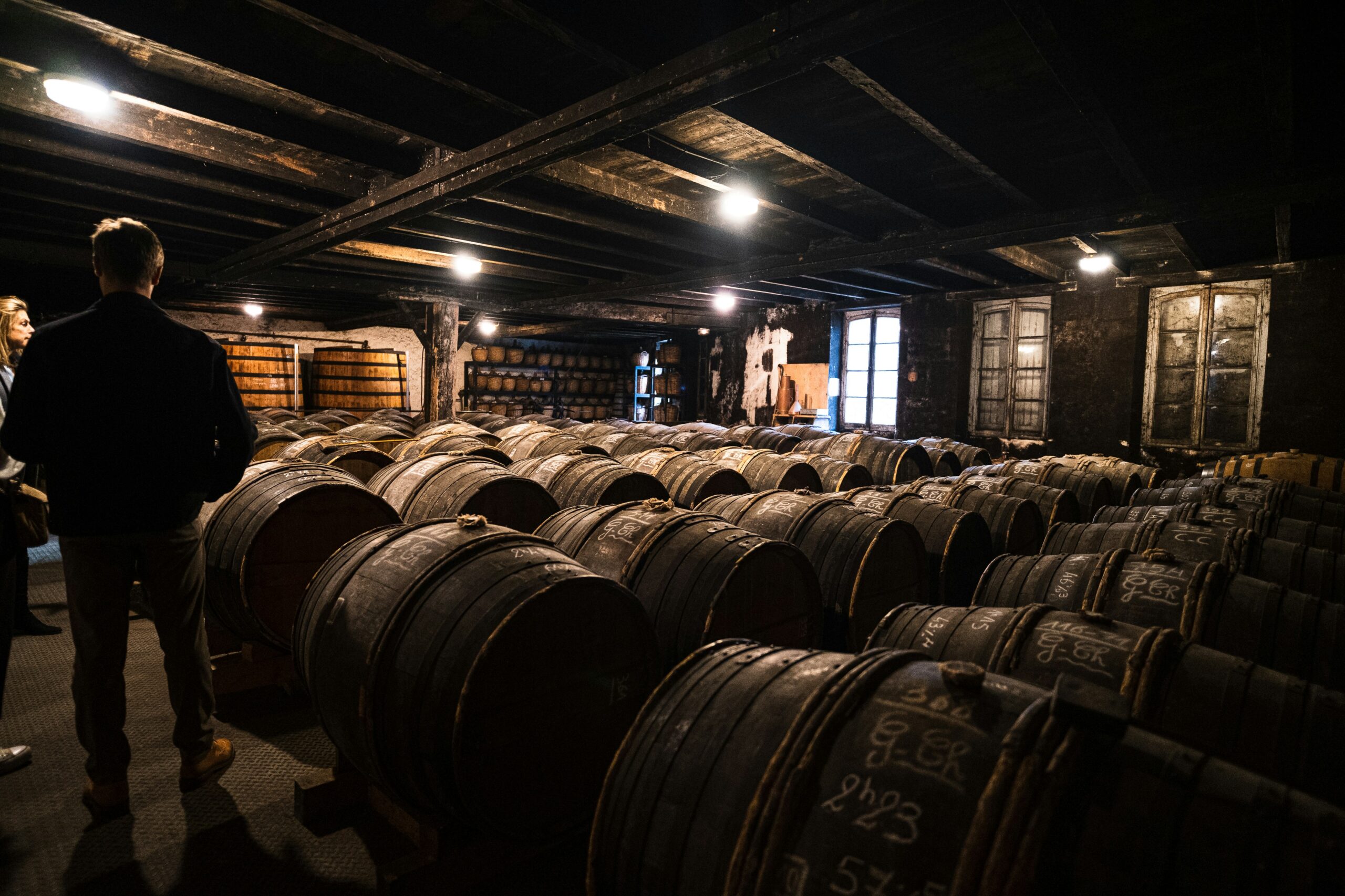
Whisky has long been known as a beloved drink for connoisseurs, but in recent years it has become an alternative investment vehicle. Investors are now looking beyond stocks and bonds, eyeing whisky casks as a way to grow their wealth. The idea of investing in whisky casks might seem foreign to many, but the appeal is clear. Whisky, especially rare and well-aged varieties, has shown a remarkable ability to increase in value over time. This guide explores how investors can unlock the wealth potential in whisky casks.
The whisky industry has seen impressive growth, with demand for premium aged whiskies skyrocketing in recent years. Distilleries that once focused solely on creating great spirits are now also building a market for cask sales. But what makes whisky casks such a promising investment? The short answer is rarity and time. As whisky ages, its flavor profile improves, and its value increases. But there’s much more to this investment opportunity than meets the eye.
Understanding Whisky Cask Investments
Investing in whisky casks means purchasing the actual cask, often containing whisky that has aged for years, rather than the bottled product itself. When you buy a cask, you are essentially buying a future product that has not yet been released. The whisky inside the cask is often left to mature for years, and as it does, it develops unique flavors that are highly prized in the market. The value of the cask increases with time as the whisky inside becomes more refined.
What makes whisky cask investments different from other types of investments is the long-term nature of the asset. Unlike stocks or real estate, whisky casks require patience. Investors must be prepared to wait for the whisky to age before selling it. However, this patience is often rewarded with significant returns. With the right knowledge and a bit of luck, whisky cask investments can lead to considerable profits.
Factors That Drive the Value of Whisky Casks
Several factors influence the value of whisky casks, and understanding them is key to making a successful investment. One of the most important factors is the distillery from which the whisky originates. Renowned distilleries like Macallan, Glenfiddich, and Glenlivet often see their whisky casks fetch higher prices because they are known for producing high-quality, sought-after spirits.
Another factor is the whisky’s age. The older the whisky, the more valuable it becomes, provided it has been stored properly. As whisky ages, it loses moisture, and the concentration of flavors intensifies. The longer the whisky matures, the more complex and desirable its flavor profile becomes. As a result, casks containing older whisky tend to be worth much more than those containing younger spirit.
Lastly, the whisky’s rarity can also significantly affect its value. Limited-edition releases or rare casks from distilleries that have since closed down can fetch astronomical prices at auctions. For investors, identifying these rare casks before they hit the market is key to maximizing potential returns.
How to Invest in Whisky Casks
Investing in whisky casks is not as straightforward as buying stocks or bonds, but it is certainly possible with the right approach. First, potential investors should conduct thorough research into the whisky market. This includes learning about the different distilleries, understanding the aging process, and keeping an eye on market trends.
Once you have a solid understanding of the market, it’s time to decide where to purchase your whisky cask. One option is to buy directly from distilleries. Many distilleries offer casks for sale to investors, although these opportunities are typically limited to serious buyers with the necessary financial backing. Alternatively, investors can buy whisky casks at auction. Whisky auctions have become increasingly popular, and many high-end casks are sold to the highest bidder. These auctions can be a great way to get your hands on rare casks, but they also carry risks, as prices can fluctuate with demand.
In addition to purchasing the casks themselves, investors may also want to consider cask management services. These services support the storage and care of the casks, ensuring they are kept in optimal conditions as they mature. Managing whisky casks requires expertise, as improper storage can lead to significant value loss. Cask management companies also handle the legal and logistical aspects of ownership, which can be a relief for investors who are unfamiliar with the intricacies of whisky cask ownership.
Risks and Challenges of Whisky Cask Investments
Like any investment, whisky casks come with their own set of risks. One of the primary challenges is the asset’s illiquidity. Whisky casks are not easy to sell quickly, and finding the right buyer can take time. This is especially true for less well-known distilleries or casks with less desirable age profiles. As a result, investors should be prepared for the long haul and should not expect quick returns.
Another risk is damage to the cask. While whisky is typically aged in oak barrels, these barrels can be vulnerable to temperature and humidity fluctuations and physical damage. If a cask is not stored properly, the whisky inside can spoil, rendering it worthless. Investors must be diligent in selecting a reliable cask management service that ensures proper storage conditions.
Finally, fluctuations in market demand can impact the value of whisky casks. While demand for whisky has been strong in recent years, market trends can shift. A downturn in the whisky market could cause the value of your cask to decline, and investors may find themselves unable to sell it at a profit.
How to Maximize Returns from Whisky Cask Investments
To maximize returns from whisky cask investments, investors need to be strategic. The key is to select the right casks from the outset. This means choosing whisky from well-established distilleries, focusing on casks that are likely to mature well, and keeping an eye on trends in the whisky market. The best way to increase the value of your cask is to purchase it when it is young, hold onto it as it matures, and then sell it at the right time.
Another way to maximize returns is by keeping the cask in good condition. Proper storage is essential for preserving the quality of the whisky. This includes maintaining the correct temperature, humidity, and ventilation. Additionally, some investors may choose to bottle the whisky themselves once it has matured, further increasing its value.
Lastly, keeping up with whisky market trends is essential. The whisky market is dynamic, and knowing when to sell is just as important as knowing when to buy. Keeping an eye on industry news, attending whisky auctions, and consulting with whisky experts can help investors make informed decisions about when to sell their casks.
Conclusion: The Wealth Potential of Whisky Casks
Investing in whisky casks offers a unique opportunity to generate wealth, but it is not without its risks. Understanding the factors that drive whisky cask values, conducting thorough research, and selecting the right casks are all critical to success. While whisky cask investments require patience and a long-term approach, the potential rewards are substantial for those who navigate the market wisely.
For those willing to embrace the challenge, whisky casks can be an exciting and lucrative investment opportunity. By making smart decisions, preserving whisky quality, and staying informed about market trends, investors can unlock the wealth hidden in whisky casks and reap the benefits for years to come. Whisky has long been known as a beloved drink for connoisseurs, but in recent years it has become an alternative investment vehicle. Investors are now looking beyond stocks and bonds, eyeing whisky casks as a way to grow their wealth. The idea of investing in whisky casks might seem foreign to many, but the appeal is clear. Whisky, especially rare and well-aged varieties, has shown a remarkable ability to increase in value over time. This guide explores how investors can unlock the wealth potential in whisky casks.
The whisky industry has seen impressive growth, with demand for premium aged whiskies skyrocketing in recent years. Distilleries that once focused solely on creating great spirits are now also building a market for cask sales. But what makes whisky casks such a promising investment? The short answer is rarity and time. As whisky ages, its flavor profile improves, and its value increases. But there’s much more to this investment opportunity than meets the eye.
Understanding Whisky Cask Investments
Investing in whisky casks means purchasing the actual cask, often containing whisky that has aged for years, rather than the bottled product itself. When you buy a cask, you are essentially buying a future product that has not yet been released. The whisky inside the cask is often left to mature for years, and as it does, it develops unique flavors that are highly prized in the market. The value of the cask increases with time as the whisky inside becomes more refined.
What makes whisky cask investments different from other types of investments is the long-term nature of the asset. Unlike stocks or real estate, whisky casks require patience. Investors must be prepared to wait for the whisky to age before selling it. However, this patience is often rewarded with significant returns. With the right knowledge and a bit of luck, whisky cask investments can lead to considerable profits.
Factors That Drive the Value of Whisky Casks
Several factors influence the value of whisky casks, and understanding them is key to making a successful investment. One of the most important factors is the distillery from which the whisky originates. Renowned distilleries like Macallan, Glenfiddich, and Glenlivet often see their whisky casks fetch higher prices because they are known for producing high-quality, sought-after spirits.
Another factor is the whisky’s age. The older the whisky, the more valuable it becomes, provided it has been stored properly. As whisky ages, it loses moisture, and the concentration of flavors intensifies. The longer the whisky matures, the more complex and desirable its flavor profile becomes. As a result, casks containing older whisky tend to be worth much more than those containing younger spirit.
Lastly, the whisky’s rarity can also play a significant role in its value. Limited-edition releases or rare casks from distilleries that have since closed down can fetch astronomical prices at auctions. For investors, identifying these rare casks before they hit the market is key to maximizing potential returns.
How to Invest in Whisky Casks
Investing in whisky casks is not as straightforward as buying stocks or bonds, but it is certainly possible with the right approach. First, potential investors should conduct thorough research into the whisky market. This includes learning about the different distilleries, understanding the aging process, and keeping an eye on market trends.
Once you have a solid understanding of the market, it’s time to decide where to purchase your whisky cask. One option is to buy directly from distilleries. Many distilleries offer casks for sale to investors, although these opportunities are typically limited to serious buyers with the necessary financial backing. Alternatively, investors can buy whisky casks at auction. Whisky auctions have become increasingly popular, and many high-end casks are sold to the highest bidder. These auctions can be a great way to get your hands on rare casks, but they also carry risks, as prices can fluctuate with demand.
In addition to purchasing the casks themselves, investors may also want to consider cask management services. These services support the storage and care of the casks, ensuring they are kept in optimal conditions as they mature. Managing whisky casks requires expertise, as improper storage can lead to significant value loss. Cask management companies also handle the legal and logistical aspects of ownership, which can be a relief for investors who are unfamiliar with the intricacies of whisky cask ownership.
Risks and Challenges of Whisky Cask Investments
Like any investment, whisky casks come with their own set of risks. One of the primary challenges is the asset’s illiquidity. Whisky casks are not easy to sell quickly, and finding the right buyer can take time. This is especially true for less well-known distilleries or casks with less desirable age profiles. As a result, investors should be prepared for the long haul and should not expect quick returns.
Another risk is damage to the cask. While whisky is typically aged in oak barrels, these barrels can be vulnerable to changes in temperature and humidity, as well as physical damage. If a cask is not stored properly, the whisky inside can spoil, rendering it worthless. Investors must be diligent in selecting a reliable cask management service that ensures proper storage conditions.
Finally, fluctuations in market demand can impact the value of whisky casks. While demand for whisky has been strong in recent years, market trends can shift. A downturn in the whisky market could cause the value of your cask to decline, and investors may find themselves unable to sell it at a profit.
How to Maximize Returns from Whisky Cask Investments
To maximize returns from whisky cask investments, investors need to be strategic. The key is to select the right casks from the outset. This means choosing whisky from well-established distilleries, focusing on casks that are likely to mature well, and keeping an eye on trends in the whisky market. The best way to increase the value of your cask is to purchase it when it is young, hold onto it as it matures, and then sell it at the right time.
Another way to maximize returns is by keeping the cask in good condition. Proper storage is essential for preserving the quality of the whisky. This includes maintaining the correct temperature, humidity, and ventilation. Additionally, some investors may choose to bottle the whisky themselves once it has matured, further increasing its value.
Lastly, keeping up with whisky market trends is essential. The whisky market is dynamic, and knowing when to sell is just as important as knowing when to buy. Keeping an eye on industry news, attending whisky auctions, and consulting with whisky experts can help investors make informed decisions about when to sell their casks.
The Wealth Potential of Whisky Casks
Investing in whisky casks offers a unique opportunity to generate wealth, but it is not without its risks. Understanding the factors that drive whisky cask values, conducting thorough research, and selecting the right casks are all critical to success. While whisky cask investments require patience and a long-term approach, the potential rewards are substantial for those who navigate the market wisely.
For those willing to embrace the challenge, whisky casks can be an exciting and lucrative investment opportunity. By making smart decisions, preserving whisky quality, and staying informed about market trends, investors can unlock the wealth hidden in whisky casks and reap the benefits for years to come.
Additional Information
- Blog
- investment opportunity, market trends, whisky industry
- Philip Neuman New York